
Temporary Closure of Underground Storage Tanks (USTs)
What Owners & Operators Need to Know
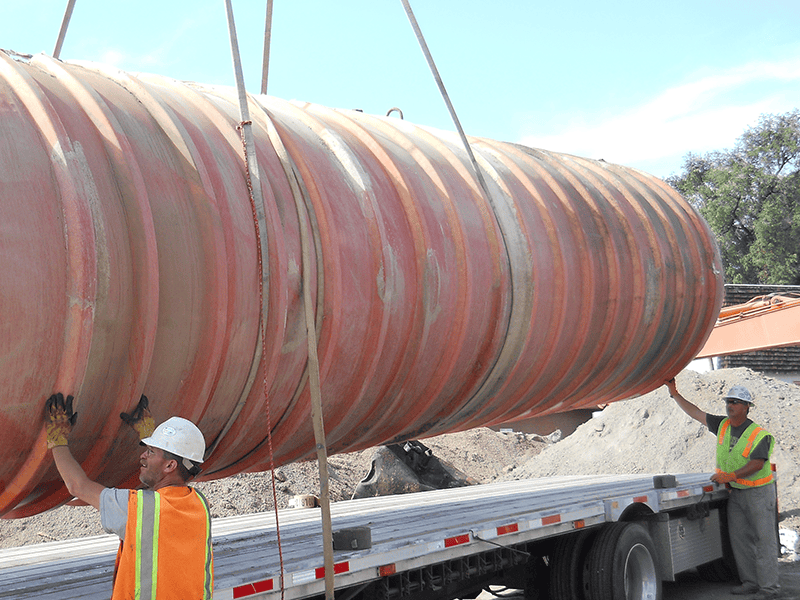
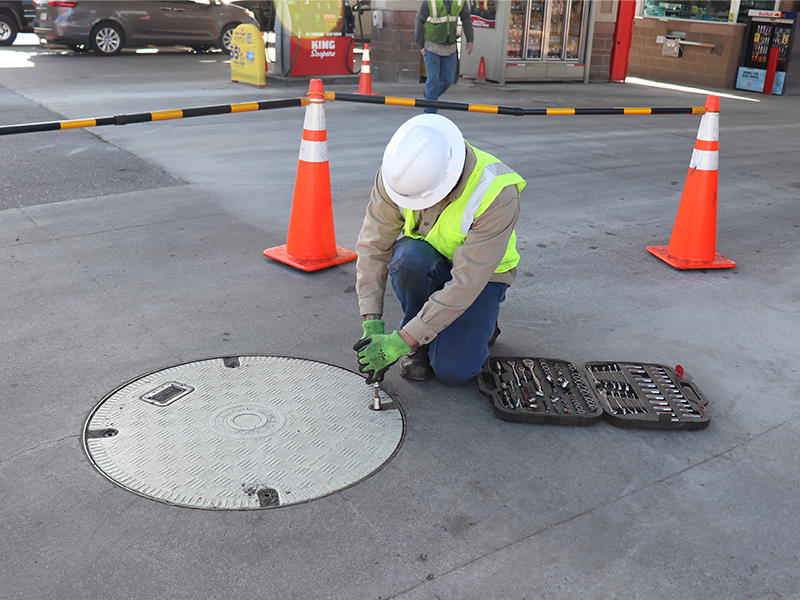
There are many circumstances under which the temporary closure of an Underground Storage Tank (UST) is the correct course of action. USTs are often taken out of service temporarily during construction projects, equipment repairs, business transitions, land sales, or other operational changes. While a tank may not be dispensing fuel, owners remain responsible for complying with applicable regulatory requirements unless the tank is properly placed into temporary closure (also known as “temporary out of use” or TOU in some states). State requirements vary, but understanding the process can help owners to reduce unnecessary compliance obligations while protecting the environment and preparing the system for future use.
What is Temporary Closure?
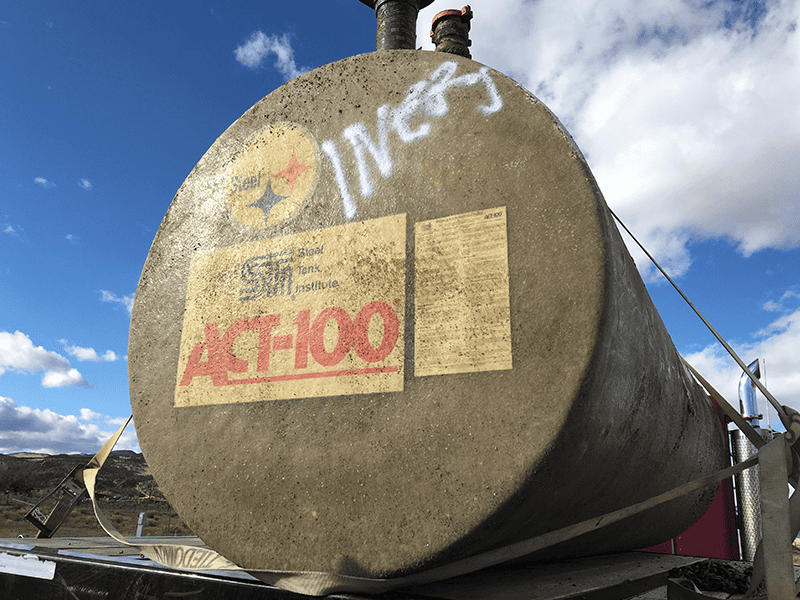
Temporary closure is a regulatory status that allows an underground storage tank system to be taken out of operation without permanently closing or removing the tank. It is intended for tanks that will not be in use for a limited time but are expected to return to service.
Both Colorado and Wyoming regulate closure through their underground storage tank programs, although each state has its own specific requirements.
Call a CGRS Expert:
800.288.2657

Kylene Baker
Compliance Administrative Manager
When Should Owners Consider Temporary Closure?
Common situations where temporary closure may be appropriate include:
- Construction Projects
- Fuel system, dispenser, or piping repairs
- Building renovations
- Tank repairs or upgrades
- Business sales or ownership transitions
- Newly acquired properties where tank use has not yet been determined
It can come as a surprise to owners to learn that simply stopping fuel sales does not eliminate their compliance responsibilities. Unless the system is placed into temporary closure, release detection and other regulatory requirements still apply.
Why Choose Temporary Closure?
When completed in accordance with applicable state regulations, temporary closure can provide several benefits for underground storage tank owners and operators.
Reduced Compliance Burden
Once a tank has been properly emptied and placed into temporary closure in accordance with state requirements, certain operational requirements may no longer apply. In Colorado, routine release detection is no longer required once temporary closure requirements have been met; however, owners must maintain corrosion protection, applicable inspections requirements, and Class A and Class B operator requirements throughout the temporary closure period. Wyoming similarly allows release detection requirements to cease once the tank has been emptied to less than one inch of regulated substance, while continuing requirements such as corrosion protection and qualified operator requirements.
Reduced Compliance Risk
Properly documenting a temporary closure establishes the tank’s regulatory status while it is out of service. This can help reduce the risk of compliance issues associated with inactive tanks and provides a clear record that the system has been intentionally removed from operation in accordance with state requirements.
Maintaining Compliance During Operational Changes
Whether tanks are temporarily out of service because of repairs, construction, or a change in ownership, temporary closure helps owners maintain compliance while the system is inactive. Properly following the temporary closure process can help prevent gaps in required compliance documentation and simplify returning the system to service when operations resume.
What Does the Temporary Closure Process Involve?
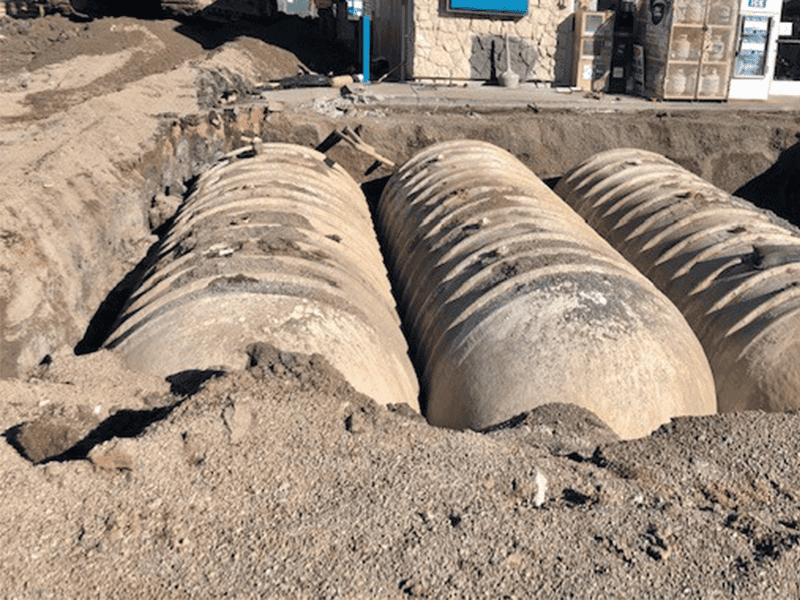
While the specific requirements vary by state, Colorado and Wyoming share many of the same expectations for temporarily closing an underground storage tank system. In both states, owners are generally required to:
- Notify the appropriate regulatory agency and submit the required temporary closure notification documentation
- Empty the tanks so that no more than one inch of regulated substance remains
- Maintain corrosion protection throughout the temporary closure period
- Secure or cap applicable system components after the period specified by state regulations
- Complete the required inspections and testing before returning the tank to service
The most significant differences between the states’ requirements concern notification, documentation, and how each state manages tanks that remain in temporary closure beyond one year.
Colorado requires owners to:
- Notify the Division of Oil and Public Safety (OPS) at least 10 calendar days before placing a tank into temporary closure
- Submit the previous 12 months of release detection and corrosion protection records, or provide alternative testing documentation if records are unavailable
- Maintain corrosion protection and Class A and Class B operator requirements, and comply with applicable inspection requirements throughout the temporary closure period.
- Cap pumps, manways, ancillary equipment, and product piping after the tank has been temporarily closed for three months
- Notify OPS before returning the system to service and complete required testing
- Request a written extension from OPS if the tank will remain temporarily closed beyond 12 months. Extension requests must be submitted in writing and include a recent site assessment.
Wyoming requires owners to:
- Notify the Storage Tank Program after placing a tank into Temporarily Out of Use (TOU) status by completing and returning the required TOU registration form
- Maintain corrosion protection and qualified operator requirements throughout the temporary closure period
- Drain and cap all connected piping if the tanks remain in TOU status for longer than 90 days
- Return the tank to service, permanently close the tank, or—where permitted by the Wyoming DEQ—obtain an approved extension after 12 months, depending on facility status and regulatory requirements
Important: Wyoming distinguishes between facilities with active tanks and facilities where all tanks are temporarily out of use.
According to the Wyoming DEQ:
- If a TOU tank is located at an operating facility with active tanks, the owner/operator is not required to request an extension. Instead, the tank must be returned to service, undergo a Minimum Site Assessment (MSA), or be permanently closed after 12 months.
- If all tanks at a facility are in TOU status, the owner/operator must return the tanks to service, request an extension, or permanently close the tanks.
Owners and operators should also be aware that the International Fire Code (IFC), enforced by the Wyoming Fire Prevention and Electrical Safety Program, only allows tanks to remain in TOU status for one year. Although the Wyoming DEQ may grant extensions in certain circumstances, the DEQ does not enforce the IFC and advises owners and operators to consider the one-year IFC limitation when planning long-term projects or facility closures.
Returning a Tank to Service
Before a tank that has been temporarily closed can be returned to operation, owners must demonstrate that the system is safe to resume service and meets all applicable regulatory requirements. While both Colorado and Wyoming require owners to verify that the system is compliant before returning it to operation, Colorado regulations prescribe specific return-to-service testing requirements, whereas Wyoming owners should ensure all applicable DEQ requirements have been satisfied before returning the system to service.
Colorado Specifically Requires: Prior to returning a UST to service, Colorado requires tank tightness testing and line tightness testing. Although spill prevention equipment testing and overfill prevention equipment inspection are not required as part of the return-to-service process, those components are still expected to be maintained and tested as required while the system remains in temporary closure. Release detection equipment should also be verified before the system resumes operation.
Wyoming Specifically Requires: Prior to returning a temporarily out-of-use tank to service, owners must ensure the tank system meets applicable regulatory requirements, including restoring release detection, verifying corrosion protection, completing any inspections or testing required by the Wyoming DEQ, and satisfying any additional requirements associated with the duration of the temporary closure, including a Minimum Site Assessment (MSA), where applicable.
Planning Ahead
Temporary closure is often simpler and less costly than many owners expect, particularly when compliance records are current. However, the process should be planned before tanks sit idle for an extended period. Working with an experienced consultant can help ensure that notification requirements, testing, documentation, and return-to-service activities are completed correctly while reducing the risk of compliance issues.
While this article focuses on Colorado and Wyoming, CGRS can help owners and operators navigate temporary closure requirements for underground storage tank systems wherever they operate.


